Keep Your Credit Safe: Why Regularly Checking Your CIBIL Report Matters More Than Ever
In today’s digital-first world, financial fraud and identity theft are on the rise, leaving consumers vulnerable to unauthorized transactions, stolen personal data, and fraudulent loans. A single case of identity theft can have long-lasting repercussions, affecting not only your financial stability but also your ability to secure loans and credit in the future.
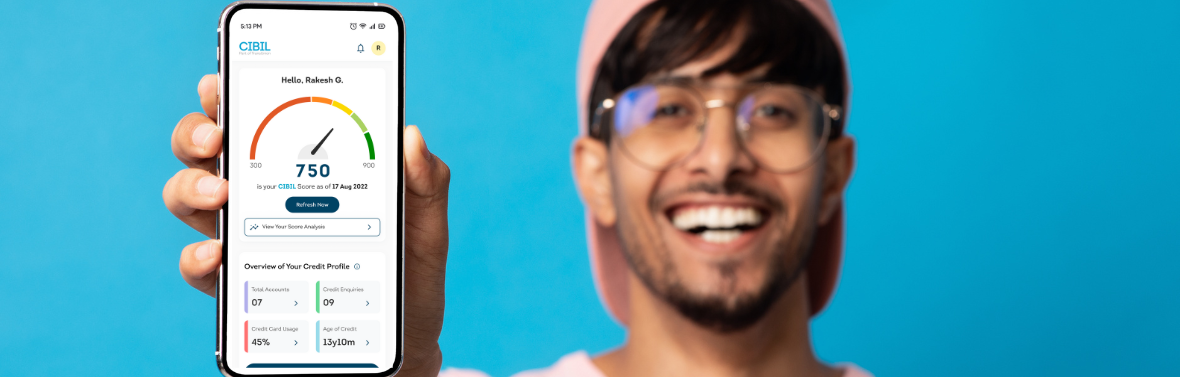
However, one of the most effective yet underutilized tools in fraud detection is your CIBIL Report and Score. A sudden dip in your CIBIL Score could be an early warning sign of suspicious activity, alerting you before the damage escalates. Proactively monitoring your credit report can help you safeguard your financial identity and take timely action against fraudsters.
The Growing Threat of Financial Fraud
With the increasing use of digital payments, online banking, and instant loan approvals, fraudsters have found new ways to exploit personal data. Some of the most common forms of financial fraud include:
· Unauthorized Loans or Credit Cards: Fraudsters may use stolen personal details to take out loans or credit cards in your name
· Data Breaches and Phishing Attacks: Cybercriminals steal sensitive financial information through email frauds, fake websites, or data leaks
· Synthetic Identity Fraud: Scammers create fake identities by combining real and fabricated information to access credit
· Account Takeovers: Fraudsters gain access to your bank accounts, credit cards, or digital wallets, making unauthorized transactions
In such cases, early detection is crucial. A regular review of your CIBIL Report can help you identify any discrepancies and take corrective action before the fraud causes lasting damage.
How Monitoring Your CIBIL Report Can Help Detect Fraud
Your CIBIL Report is a reflection of your financial activity. By tracking it closely, you can spot irregularities that may indicate fraud, such as:
· A Sudden Drop in Your CIBIL Score: If you notice an unexplained dip in your score, it may indicate a new unauthorized credit inquiry or default on a fraudulent loan.
· Unknown Loan or Credit Card Entries: Check for any loans, credit cards, or EMIs that you did not apply for—these could be red flags.
· Multiple Hard Inquiries in a Short Time: Fraudsters may apply for credit in your name with multiple lenders, leading to an unusual spike in inquiries on your report.
· Changes in Personal Details: If your address, phone number, or email is altered in your credit report without your knowledge, it could signal an identity theft attempt.
Steps to Safeguard Your Financial Identity
To stay protected from financial fraud, follow these key steps:
· Check Your CIBIL Report Regularly: Reviewing your CIBIL Report, at least once a month ensures you can detect and dispute any fraudulent activities early.
· Set Up Fraud Alerts: Some financial institutions allow you to set up fraud alerts or temporarily freeze your credit to prevent unauthorized access.
· Use Stronger Digital Security Measures: Enable two-factor authentication for banking and credit card accounts, avoid sharing OTPs, and use secure passwords.
· Immediately Report Suspicious Activity: If you notice an unfamiliar loan, incorrect information, or an unauthorized inquiry, report it to CIBIL and your bank/NBFC immediately.
· Be Cautious of Phishing Scams: Always verify emails and messages claiming to be from banks, financial institutions, or CIBIL. Never share sensitive details over phone calls or emails.
Your Credit Health is Your Financial Security
In an era where financial fraud is becoming more sophisticated, vigilance is the key to protection. Your CIBIL Report and Score are not just indicators of creditworthiness—they are essential tools in securing your financial identity.
By making CIBIL Score checks a habit, you can stay a step ahead of fraudsters and ensure your financial stability remains intact. Take charge today—monitor your credit health, protect your identity, and stay financially empowered.
Source: Aaj
Stay credit-ready by monitoring your CIBIL Score & Report.
Disclaimer: The information posted on this blog (Information) is prepared by TransUnion CIBIL Limited (TU CIBIL). This Information is for generic informational purposes only and is meant for consumer education and awareness about credit scores, credit history and credit reporting. The Information posted on the blog does not constitute credit advice and the user will need to consider the same and take independent informed decisions . No part of this Information may be quoted out of context, distorted ,distributed, published and/ or reproduced in any form and manner whatsoever. Consumers are advised that the Credit Information Reports (CIRs) prepared by TU CIBIL are based on collation of information, substantially, provided by credit institutions who are members with TU CIBIL. TU CIBIL is not responsible and /or liable for errors and/or omissions caused by inaccurate or inadequate information submitted to it by credit institutions. TU CIBIL does not guarantee the adequacy or completeness of the Information and/or its suitability for any specific purpose nor is TU CIBIL responsible for any access or reliance on the Information. TU CIBIL expressly disclaims all such liability. Further, this Information is based on the data available with TU CIBIL at the time of publication and therefore may not be up-to-date.