CIBIL Quest: The Path to Creditworthiness
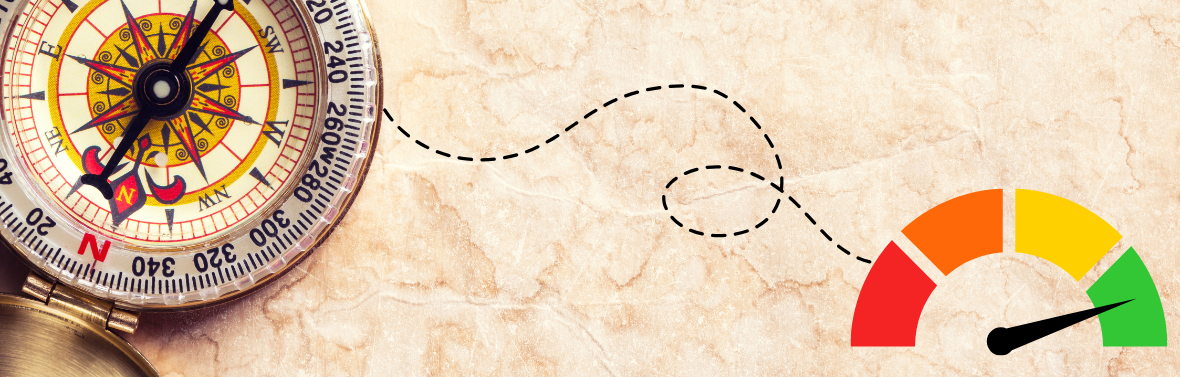
A low CIBIL score can influence access to credit and shape how lenders perceive an individual’s credit behavior. While it may appear to be a setback, it is not a dead-end. The journey to improving the CIBIL Score is like a credit treasure map, each step may lead to gradual improvement in the CIBIL Score. So, let’s understand how to move from a low to a strong CIBIL Score with the credit treasure map - CIBIL Quest: The Path to Creditworthiness.
The first stop on the map is Score Sanctuary. Here one understands the reason behind the low score. On reaching this point, one must focus on:
- Credit Behavior: The CIBIL Score reflects past credit activity, including payment history, credit usage, and the mix of credit types. Analyze how one fares in each of these aspects.
- Contributing Factors: Now that there is a clear understanding of the credit behavior, identify if there are any missed payments, overused credit limits, or multiple recent loan applications that may be negatively affecting the CIBIL Score.
The next stop is Report Ridge. After identifying what may have caused the dip, it is time to deep-dive into the CIBIL Report. Getting across this point includes:
- Accessing Credit Information: Start by reviewing the CIBIL Report and examining each section.
- Spotting Errors: Sometimes, inaccuracies or outdated records can influence the score.
- Dispute Process: If discrepancies are found, one may initiate a correction request with the credit bureau.
Now that you have scaled the ridge, it is time to enter Credit History Haven. Here one tries to build a good credit history that would help in the pursuit of a strong score. Crossing this requires:
- Reevaluating Usage Patterns: Changing how and when credit is used can influence future scoring.
- Focusing on Consistency: Timely payments and lower credit balances may gradually improve credit standing.
- Choosing the Right Tools: Some individuals explore financial products—like secured cards or structured loans—that report activity to credit bureaus.
The next destination is the Guidance Grove. Wise experts help you achieve and maintain your goal score with:
- Professional Advice: Financial counselors or credit advisors can provide personalized insights based on an individual's credit profile.
- Creating a Plan: With structured support, people can outline clear steps toward long-term credit improvement.
Finally, at Improvement Boulevard the road is continuous and requires determination. Moving through here leads to:
- Gradual Improvement: The CIBIL Score may change over time with consistent financial behavior.
- Not Permanent: A low CIBIL Score doesn’t have to be permanent—one can improve their credit standing through steady and informed action.
The journey of examining the current situation, understanding the underlying causes, and staying consistent with their financial management, individuals can take meaningful steps toward a stronger credit profile in the future. Every step to Improvement Boulevard requires determination and consistency so start today by checking the CIBIL Score and Report.
Stay credit-ready by monitoring your CIBIL Score & Report.
Disclaimer: The information posted on this blog (Information) is prepared by TransUnion CIBIL Limited (TU CIBIL). This Information is for generic informational purposes only and is meant for consumer education and awareness about credit scores, credit history and credit reporting. The Information posted on the blog does not constitute credit advice and the user will need to consider the same and take independent informed decisions . No part of this Information may be quoted out of context, distorted ,distributed, published and/ or reproduced in any form and manner whatsoever. Consumers are advised that the Credit Information Reports (CIRs) prepared by TU CIBIL are based on collation of information, substantially, provided by credit institutions who are members with TU CIBIL. TU CIBIL is not responsible and /or liable for errors and/or omissions caused by inaccurate or inadequate information submitted to it by credit institutions. TU CIBIL does not guarantee the adequacy or completeness of the Information and/or its suitability for any specific purpose nor is TU CIBIL responsible for any access or reliance on the Information. TU CIBIL expressly disclaims all such liability. Further, this Information is based on the data available with TU CIBIL at the time of publication and therefore may not be up-to-date.