Swipe Smart: How your mind shapes your credit habits
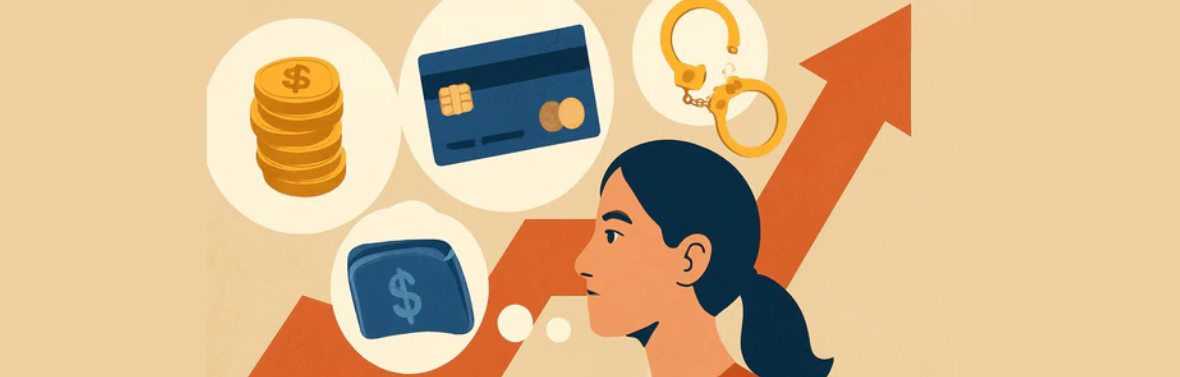
In today’s fast-paced world, credit is deeply woven into our daily lives. Whether it’s upgrading to the latest smartphone, planning a spontaneous getaway, or investing in personal development, credit gives us the freedom to act without waiting. But what really drives these financial decisions?
The answer often lies in the psychology of spending, how our emotions, habits and mental shortcuts influence when we choose to borrow, how much we spend, and how we manage repayments. Understanding these patterns can help us take more control of our behaviour and build a healthier, more empowered relationship with money.
Instant gratification and credit:
Credit changes how we perceive spending by separating the moment of purchase from the actual payment. This delay creates a sense of ease and convenience. Swiping a card feels quick and painless, making it easier to overspend without immediate consequences.
After a stressful day, many of us turn to “retail therapy”, treating ourselves to small comforts. While occasional indulgences are perfectly normal, frequent emotional spending can gradually push up credit balances and stretch financial limits over time.
Cognitive biases and credit behaviour:
Our financial choices are often influenced by cognitive biases, mental shortcuts that affect how we think and act, especially when using credit.
One common bias is the present bias, which pulls us toward immediate gratification and leads us to overlook future consequences. With credit, this often means making a purchase today without fully considering its long-term impact on our finances.
Another bias is anchoring, which can occur when we focus on a low minimum payment amount on a credit card. It can create the impression that we are managing our money well, even if we are only paying off a small part of the total balance.
Similarly, optimism bias is also common. It makes us believe that repayment will be easier in the future, maybe after a bonus or the next paycheck. This can lead us to underestimate the real effort needed to pay back what we owe. By understanding these common patterns, we can make better decisions about credit. We can also build stronger financial habits over time.
Using credit wisely:
Let us take a moment to recognise the power of credit when you use it wisely and with a clear purpose.
When managed well, credit can help you reach your financial goals. It can make big purchases possible, like buying a car or a home, which might otherwise feel out of reach. Using credit responsibly also helps you build a strong credit score. This can open the door to better loan rates and more financial opportunities in the future.
Responsible credit use comes down to good planning. It means sticking to a budget, paying bills on time, and avoiding impulsive purchases. It also means being mindful, thinking carefully about what you buy, and making sure it aligns with your financial goals. With the right approach, credit is not just a tool. It can be a pathway to long-term financial growth.
Mastering your financial mindset:
Gaining control over emotional spending can feel challenging, but it is entirely possible with the right mindset and consistent effort. It begins with self-awareness, recognising the emotional triggers that lead to impulsive spending. For instance, if stress often pushes you to overspend, finding healthier ways to cope, such as exercise, journaling or meditation, can ease emotional strain and reduce the urge to rely on credit for comfort.
Setting clear financial goals is also essential. These might include paying off existing debt, saving for a dream vacation or building an emergency fund. When you have a specific goal in your mind, it becomes easier to remain focused, resist any distractions and make more thoughtful decisions on your credit needs. Some financial cushion, like an emergency fund, also gives you breathing space when unexpected expenses arise, reducing the need to borrow further.
If you’re managing debt, try to pay more than just the minimum due, this helps you pay it off faster and reduce the total interest burden. By staying mindful of your spending and understanding how the credit system works, you can gradually break out of the debt cycle. Use credit to move towards your goals, not as a quick fix for emotional relief. With the right approach, you can take charge of your financial future, with greater confidence, clarity, and control.
Stay credit-ready by monitoring your CIBIL Score & Report.
Disclaimer: The information posted on this blog (Information) is prepared by TransUnion CIBIL Limited (TU CIBIL). This Information is for generic informational purposes only and is meant for consumer education and awareness about credit scores, credit history and credit reporting. The Information posted on the blog does not constitute credit advice and the user will need to consider the same and take independent informed decisions . No part of this Information may be quoted out of context, distorted ,distributed, published and/ or reproduced in any form and manner whatsoever. Consumers are advised that the Credit Information Reports (CIRs) prepared by TU CIBIL are based on collation of information, substantially, provided by credit institutions who are members with TU CIBIL. TU CIBIL is not responsible and /or liable for errors and/or omissions caused by inaccurate or inadequate information submitted to it by credit institutions. TU CIBIL does not guarantee the adequacy or completeness of the Information and/or its suitability for any specific purpose nor is TU CIBIL responsible for any access or reliance on the Information. TU CIBIL expressly disclaims all such liability. Further, this Information is based on the data available with TU CIBIL at the time of publication and therefore may not be up-to-date.